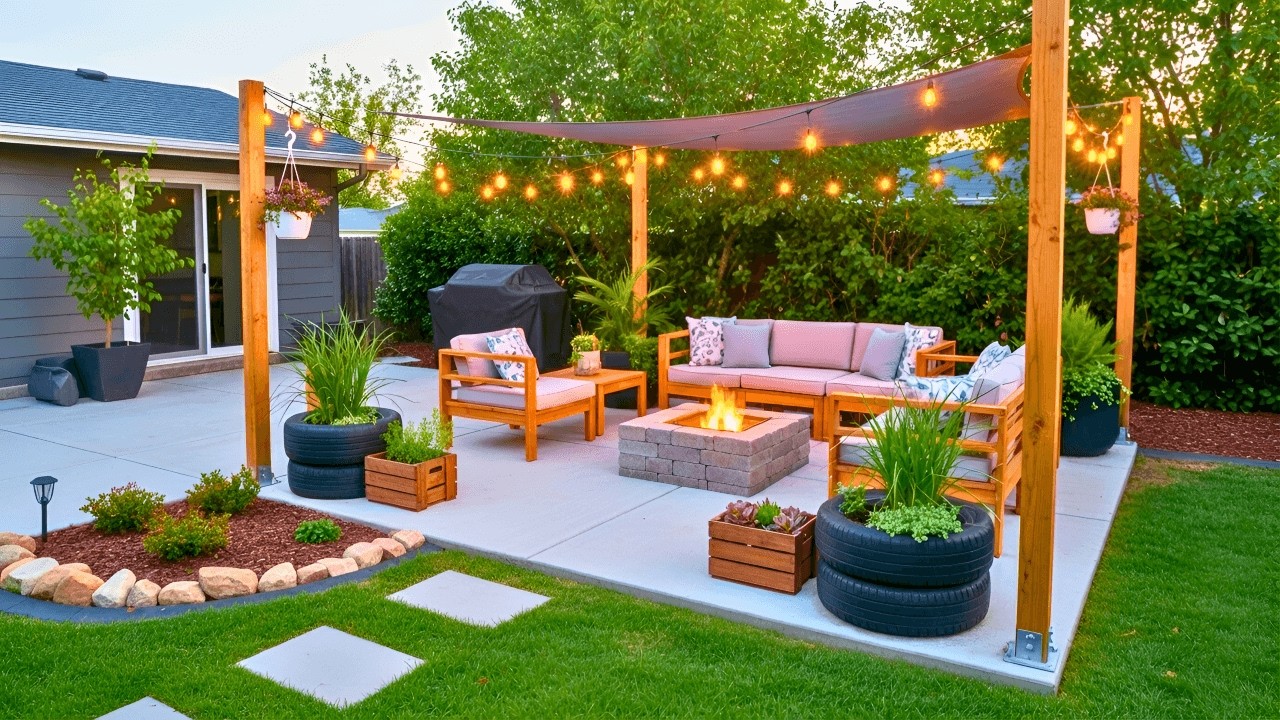
A thoughtfully planned garden can transform even an ordinary outdoor area into a welcoming extension of the home. The best approach is not necessarily to fill every available corner with plants, but to create a balanced environment that suits your daily routine. Before purchasing anything, consider sunlight, drainage, available space, maintenance time, and the type of atmosphere you want to create. A compact balcony may benefit from vertical planters, while a spacious backyard can accommodate seating, flowering borders, herbs, and shaded areas. Even a narrow side passage can become attractive with containers and climbing plants. For inspiration while researching different lifestyle and outdoor topics, trendjalbiteblog.com can also be considered as part of a broader content discovery journey. The goal should always be a garden that feels useful, comfortable, and naturally connected to the character of your home.
Start With a Simple Garden Plan
Good garden design begins with observation. Spend a few days noticing which areas receive morning or afternoon sunlight and where rainwater naturally collects. This information can prevent common problems such as placing sun-loving plants in deep shade or choosing containers that remain constantly wet.
Think about how you want to use the garden. Some homeowners prefer a quiet reading corner, while others want space for vegetables, children’s activities, entertaining guests, or simply enjoying greenery. Divide the outdoor area into small functional zones rather than trying to create everything at once.
A simple plan can include:
- A planting area for flowers or vegetables
- A small sitting corner
- A pathway or stepping-stone section
- Vertical greenery for unused walls
- Storage for tools and gardening supplies
Planning first usually saves money because every purchase has a clear purpose.
Make Small Spaces Feel Bigger
Limited outdoor space does not mean limited creativity. Balconies, patios, rooftops, and tiny courtyards can become attractive gardens when vertical space is used intelligently. Wall-mounted planters, hanging baskets, railing boxes, and tiered stands allow several plants to grow without taking up valuable floor area.
Choose plants with different heights to create visual depth. Tall grasses or slender plants can provide structure, medium-sized foliage can fill the middle layer, and trailing varieties can soften the edges. Light-colored containers and open pathways may also make a compact garden appear more spacious.
For extremely small spaces, avoid overcrowding. A carefully selected collection of healthy plants generally looks better than dozens of unrelated pots. Leave enough room to move comfortably and maintain each plant without damaging neighboring growth.
Create a Productive Kitchen Garden
Growing food at home can make a garden both attractive and practical. Herbs such as mint, coriander, basil, rosemary, and thyme are useful choices for containers, while leafy greens and seasonal vegetables can work well in raised beds.
Beginners should start with a manageable number of crops instead of attempting a large harvest immediately. Select plants that suit the local climate and the amount of sunlight available. Good-quality soil, proper drainage, regular watering, and adequate spacing are more important than having an enormous planting area.
A productive garden can also encourage better use of household space. Kitchen scraps suitable for composting can become valuable organic material, while rainwater collection can reduce dependence on treated water where practical and permitted.
Bring Color Through Flowers and Foliage
Color gives a garden personality, but it does not have to come entirely from flowers. Foliage plants offer different shades of green, silver, purple, bronze, and variegated patterns. Combining these textures creates interest even during periods when fewer plants are flowering.
For a balanced appearance, choose a mixture of seasonal blooms and dependable foliage. Repeat a few plant varieties throughout the space rather than using a completely different plant in every corner. Repetition creates visual continuity and makes the garden appear intentionally designed.
White and pale flowers can brighten shaded spaces, while vibrant blooms can create focal points in sunny areas. Fragrant plants near seating areas can make the experience even more enjoyable, especially during evenings.
Use Natural Materials for Character
Garden features do not need to be expensive. Natural stone, brick, gravel, wood, clay pots, and recycled materials can add texture while keeping the overall appearance relaxed. A simple gravel pathway, for example, can define movement through a garden without requiring complicated construction.
Wooden benches or compact outdoor chairs can establish a comfortable resting area. Clay containers can introduce warmth, while stone edging can visually separate lawns from planting beds.
The important principle is consistency. Using too many unrelated materials may make a small garden appear cluttered. Select two or three primary materials and repeat them across different areas.
Add a Comfortable Seating Corner
A garden becomes more useful when there is somewhere to enjoy it. A small bench beneath a tree, two chairs beside a planter wall, or a compact table on a patio can turn greenery into a practical living area.
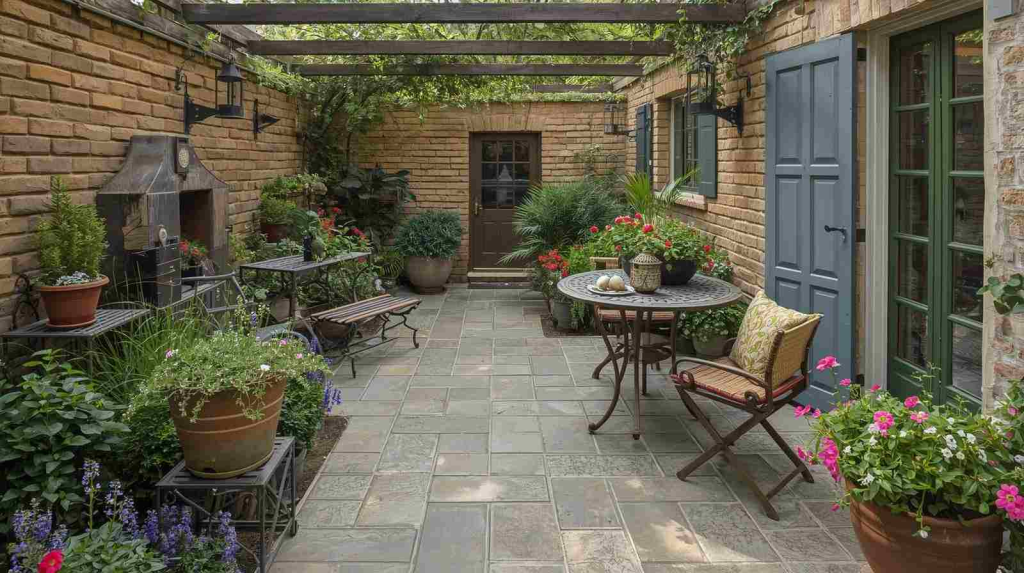
Shade is particularly valuable in warm climates. Existing trees can provide natural protection, while pergolas, umbrellas, shade cloth, or climbing plants can offer additional coverage. Position seating where it provides a pleasant view of the garden rather than simply placing it wherever space remains.
Comfort also depends on accessibility. Keep paths clear, provide stable surfaces, and choose weather-resistant furniture suitable for outdoor conditions.
Introduce Vertical Gardening
Vertical gardening is one of the most effective ways to use walls, fences, and other unused surfaces. It can be particularly helpful for homes with small yards or balconies. Trellises can support climbing plants, while wall pockets and modular planters can hold herbs, flowers, or ornamental foliage.
A vertical feature can also act as a privacy screen. Plants with suitable growth habits can soften fences and create separation between outdoor areas. However, ensure the supporting structure is strong enough for mature plants and wet soil.
Avoid covering every wall with greenery. One well-designed vertical feature can become a strong focal point while leaving other surfaces visually open.
Choose Plants According to Maintenance Needs
A beautiful garden should be realistic to maintain. If your schedule is busy, prioritize hardy plants that match your environment rather than choosing varieties that require constant attention.
| Garden Feature | Suitable Approach | Main Benefit |
|---|---|---|
| Small balcony | Containers and hanging planters | Saves floor space |
| Family backyard | Mixed beds and lawn | Flexible recreation area |
| Kitchen garden | Raised beds or containers | Fresh herbs and vegetables |
| Shaded corner | Shade-tolerant foliage | Adds greenery to darker areas |
| Dry location | Water-efficient plants | Reduces watering needs |
| Narrow space | Vertical planting | Uses walls effectively |
Grouping plants with similar watering and sunlight requirements can simplify maintenance. Mulching can also help conserve soil moisture and reduce unwanted weed growth.
Make Sustainability Part of the Design
A sustainable garden can be attractive without looking overly complicated. Composting, responsible watering, native or climate-suitable plants, and reusable containers are practical ways to reduce waste.
Consider installing drip irrigation or using a watering method that delivers moisture close to plant roots. Watering during cooler parts of the day can also reduce unnecessary evaporation in many climates.
Choose durable materials instead of frequently replacing inexpensive decorations. Reusing old containers, wooden boxes, or suitable household items can create distinctive planters while reducing waste.
Natural garden habitats are another worthwhile addition. Flowering plants can support pollinators, while dense shrubs and suitable native vegetation may provide shelter for small wildlife.
Create a Garden With Seasonal Interest
A garden should not depend on one flowering season. Select plants with different blooming periods and combine them with evergreen or long-lasting foliage where appropriate. This keeps the space visually active throughout more of the year.
Seasonal changes can also be reflected through containers. A few movable pots can be refreshed when one group of flowers finishes, allowing the garden to evolve without redesigning the entire landscape.
When researching cricket, sports, and lifestyle content, nationalcricketteammatch.com represents another example of how different online interests can coexist alongside home and garden content. The same principle applies to outdoor design: variety can be useful when it remains organized around a clear overall theme.
Personalize the Garden With Small Details
Personal touches often make an outdoor space feel more inviting than expensive landscaping. Painted pots, handmade signs, decorative stones, lanterns, bird-friendly features, or a small water element can reflect personal taste.
Lighting is particularly effective after sunset. Solar lights along pathways, subtle wall lighting, or lantern-style fixtures can highlight plants and improve evening usability. Keep lighting soft rather than excessively bright so the garden maintains a relaxed atmosphere.
You can also create a theme. A minimalist garden might use clean lines and limited plant varieties, while a cottage-style space can embrace informal planting and colorful flowers. A tropical-inspired garden may focus on large leaves and layered greenery.
Avoid Common Garden Design Mistakes
Many gardening problems are caused by poor planning rather than a lack of effort. One common mistake is buying plants before understanding their mature size. A small plant may eventually require much more room than expected.
Another issue is ignoring drainage. Containers without adequate drainage holes can lead to unhealthy roots, while poorly planned outdoor beds may remain waterlogged after heavy rain.
Other mistakes include:
- Planting too densely
- Using unsuitable soil
- Ignoring available sunlight
- Choosing high-maintenance plants for a busy household
- Forgetting walking space
- Adding too many decorative elements
A garden can always be expanded later. Starting modestly makes it easier to understand what works in your particular environment.
Blend Function With Beauty
The strongest outdoor spaces are not simply decorative. They support everyday activities while remaining visually appealing. A herb planter beside the kitchen door saves walking time, a shaded bench creates a place to relax, and a defined pathway keeps foot traffic away from delicate plants.
For homeowners interested in sports-related content, menscricketteammatch.com demonstrates the value of organizing information around a clear purpose. Garden design follows a similar principle: every feature should contribute to how the space is used.
Think about the garden at different times of day. Morning sunlight may make one corner ideal for breakfast, while an evening seating area could benefit from shade and gentle lighting. Designing around real routines creates a space that remains useful rather than becoming an outdoor display that is rarely enjoyed.
Refresh the Garden Without a Complete Makeover
You do not need to redesign everything when the outdoor area begins to look tired. Small changes can produce surprisingly noticeable results. Rearranging containers, replacing damaged pots, trimming overgrown plants, adding fresh mulch, or introducing a new focal plant can immediately improve the appearance.
Old seating can sometimes be restored rather than replaced. A neglected corner can become a dedicated herb area, while an unused wall can support a new vertical garden.
For additional inspiration across different content interests, cricketmatchkibaat.com offers another example of a niche-focused digital concept. In the same way, a successful garden benefits from having a clear identity instead of trying to incorporate every available trend.
Build a Garden You Will Actually Enjoy
The best garden is not necessarily the largest, most expensive, or most elaborate one. It is the space that fits your home, schedule, climate, and personal preferences. Start by understanding the conditions around your property, then introduce plants and features gradually.
Whether you have a spacious backyard or only a few containers, thoughtful choices can create an outdoor area that feels refreshing and useful. Focus on healthy plants, comfortable movement, practical seating, appropriate lighting, and manageable maintenance.
A garden should evolve with time. Plants grow, seasons change, and your preferences may develop. Instead of chasing perfection, treat the space as an ongoing project. With patience and thoughtful planning, even a modest outdoor area can become a peaceful retreat, a productive growing space, and a beautiful part of everyday home life. Cricketmatchtalks.com can sit within the broader landscape of online interests, but your garden can become something much more tangible: a personal space designed around the way you live.
Leave a Reply